Cat insurance explained (UK): the four types of cover
Accident-only, time-limited, maximum benefit and lifetime cover: what each one pays for and what to check before you buy.
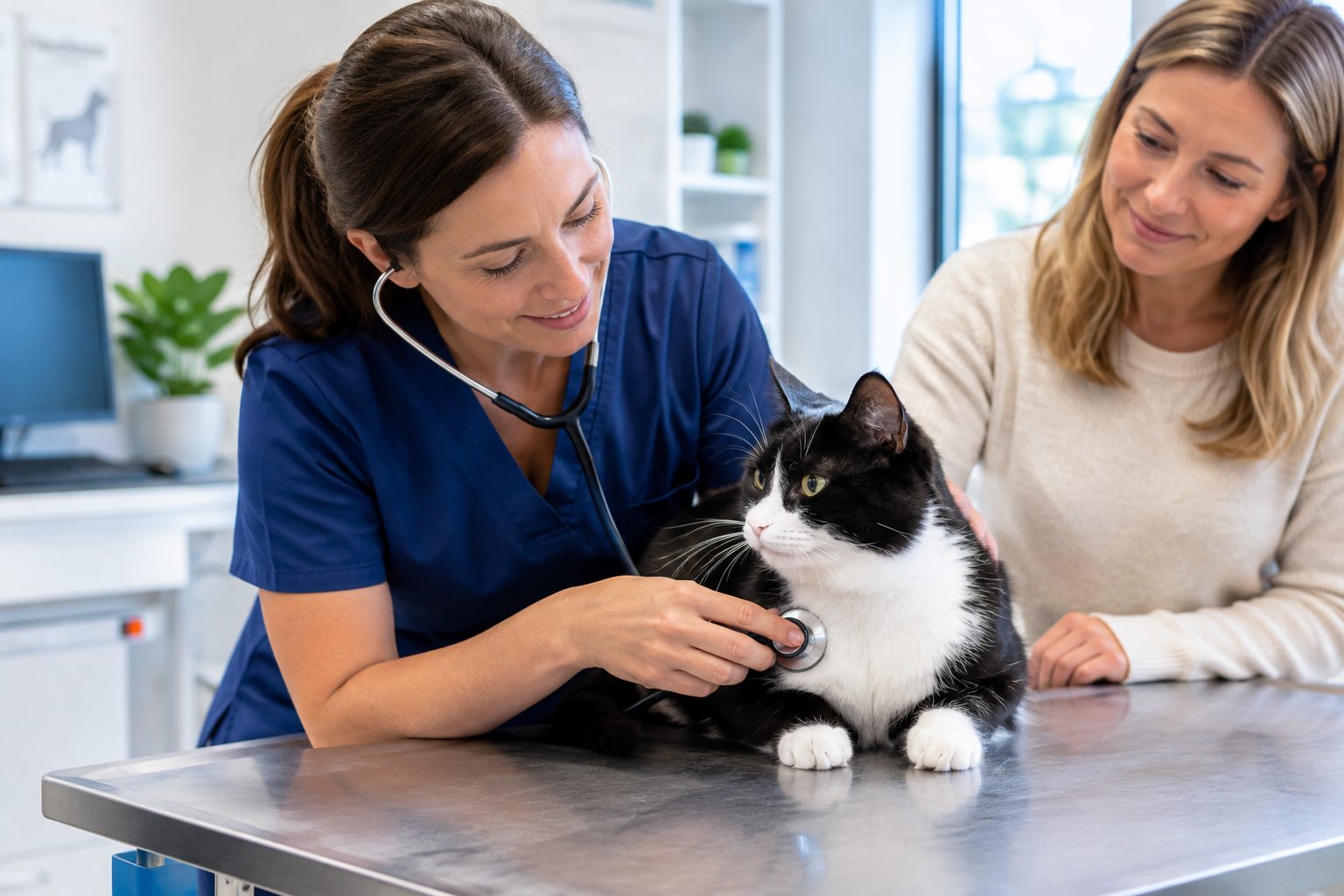
Pet insurance helps with unexpected vet bills. Policies differ mainly in how long they pay for an illness and how much they pay in total. Understanding the four main types makes it easier to compare quotes yourself.
The four types of cover
| Type | How the limit works | Watch out for |
|---|---|---|
| Accident-only | Pays for injuries from accidents, not illness | No cover for illness at all |
| Time-limited | Pays for each condition for a set time, often 12 months | Long-term conditions stop being covered after the time limit |
| Maximum benefit | Pays up to a set amount per condition, with no time limit | Once the amount is used, that condition is no longer covered |
| Lifetime | Pays up to an annual limit that resets each year, for as long as you renew | Usually the most expensive; premiums often rise with age |
Excess and co-payment
The excess is the amount you pay towards each claim. Some policies also add a co-payment, a percentage of each bill you pay yourself, often once a cat reaches a certain age.
Pre-existing conditions
Most policies exclude conditions your cat had, or showed signs of, before cover started. Insure early, ideally while your cat is young and healthy.
Waiting periods and age limits
Illness cover usually starts after a waiting period of a couple of weeks. Many insurers have a maximum age for starting a new policy, so check this for older cats.
Questions to ask any insurer
- Is the limit per condition, per year or for life?
- What is the excess, and is there a co-payment?
- Are dental treatment, behavioural therapy and complementary treatment covered?
- What happens to premiums as my cat gets older?
- Will you pay the vet directly?
Where to compare
Compare quotes directly with insurers or through a comparison site authorised by the Financial Conduct Authority. If you have a complaint an insurer cannot resolve, you can take it to the Financial Ombudsman Service.